AM I becoming conspiricist or is there a the link between what Cockbrun said about Qaida in east Libya, NATO, what we are hearing about the generally pro-regime position (in Jordan, Gulf and pro-Army Council in Egypt) of the Brethren, Al Jazeera coverage of Bahrein and its cheerleading of the NATO intervention, US Air Bases and Qatari contribution to No Fly Zone??
http://warincontext.org/2011/03/26/qatar-al-jazeera-and-the-middle-east/
Listen to Gilbert Achcar... lets wait for the uprising of the guest workers!
http://www.youtube.com/watch?feature=player_embedded&v=nGc9gvXpGM8
Sunday, March 27, 2011
أية «بوصلة» في مواجهة «انعدام اليقين»؟ : عريب الرنتاوي
قوى 14 آذار في لبنان تحبس أنفاسها على وقع التظاهرات في درعا والمسجد الأموي ومدينتي حمص وبانياس... هي تعتقد أن النظام في دمشق ، آيل للسقوط... حتى إن بعض "صقور" هذه الحركة ، نصحوا البطريريك الماروني الجديد بشارة الراعي بالتريث في أداء زيارته "الرعوية" الأولى لسوريا ، وطن المارونية الأول ، حتى لا تُطيل هذه "اللفتة الروحانية" في عمر النظام؟،.
لا أدري إن كانت حسابات الحقل "الآذاري" ستتطابق مع حسابات البيدر السوري... أولاً: لأن من السابق لأوانه إصدار بطاقة نعي للنظام في دمشق والذي لم يستنفد جميع أوراقه بعد ، وإن كان لم يبد حتى الآن تجاوباً جدياً مع أصوات الشارع السوري ونداءاته... وثانياً: لأن إصدار حكم مسبق بأن النظام الذي سيخلف نظام الرئيس بشار الأسد ، سيكون صديقاً لهذه القوى وحلفائها ، هو مغامرة غير محسوبة على الإطلاق... هل أتى التغيير في مصر بأصدقاء لقوى 14 آذار حتى يأتي التغيير بسوريا بمن سيصفق لها؟.. هل يظن هؤلاء أن عبدالحليم خدام أو من هم على شاكلته ، سيكون وريثاً لنظام بشار الأسد؟ هي السياسة بلغة النكايات لا أكثر ولا أقل... هو العالم حين يُرى من "خرم إبرة" اصطراعات أمراء الحرب والمذاهب والطوائف والحارات لا أكثر ولا أقل...أما التغيير الزاحف لا محالة إلى كل دولنا ومجتمعاتنا ، بمن فيها سوريا ، فهو لن يلتفت حين يقرع الأبواب إلى هذه "الحسابات الصغيرة" التي لا تصدر إلا عن سياسيين لا يرون أبعد من أرنبات أنوفهم.
أمس ، كنت أتساءل مع صديق عن سر "تأخر" حماس في إطلاق مبادرتها للمصالحة الوطنية... أجابني نقلاً عن لسان مسؤول فلسطيني رفيع في دمشق ، بان حماس تنتظر انجلاء الصورة في القاهرة لتقرر طبيعة خطوتها التالية وتحدد حجم نقلتها الجديدة... المسؤول الرفيع ينقل عن حماس اقتناعها بأن إخوان مصر سيكون لها دوراً مقرراً في السياسة المصرية الداخلية والخارجية ، الأمر الذي سيعزز موقع الحركة وموقفها... المسؤول الرفيع يرى أن حماس تبالغ في تصوير حجم انتصارها ، وقد تأخذها التطورات في سوريا على حين غرة... ولكنه يتوقف فجأة ويسأل: من قال أن التطورات في سوريا ستطيح بالنظام ، ومن قال أن النظام البديل سيكون أقل تعاطفاً مع حماس أو حتى مع حزب الله من النظام الحالي.
المنطقة تغلي فوق مرجل عملاق... ومع إشراقة شمس كل نهار ، هناك مفاجأة من العيار الثقيل... أمس كنّا في ليبيا نرقب "قصقصة" أجنحة القذافي و"تقليع" أنيابه وأظافره... اليوم صحونا على "انتفاضة درعا"... غداً لا نعلم أين ستتجه عدسات "الجزيرة"


Libya rebels: Gaddafi could be right about al-Qaeda : Alexander Cockburn
OUCH!
http://www.thefirstpost.co.uk/76789,news-comment,news-politics,alexander-cockburn-libya-rebels-gaddafi-could-be-right-about-al-qaeda
Libya rebels: Gaddafi could be right about al-Qaeda
Two documents suggest northeast Libya, centre of rebellion, is an al-Qaeda hotspot
Read more: http://www.thefirstpost.co.uk/76789,news-comment,news-politics,alexander-cockburn-libya-rebels-gaddafi-could-be-right-about-al-qaeda#ixzz1HpA6dnlE
.http://leninology.blogspot.com/2011/03/libya-and-transnational-solidarity.html
As former CIA operations officer Brian Fairchild writes, amid "the apparent absence of any plan for post-Gaddafi governance, an ignorance of Libya's tribal nature and our poor record of dealing with tribes, American government documents conclusively establish that the epicentre of the revolt is rife with anti-American and pro-jihad sentiment, and with al-Qaeda's explicit support for the revolt, it is appropriate to ask our policy makers how American military intervention in support of this revolt in any way serves vital US strategic interests".
As I wrote here a few weeks ago, "It sure looks like Osama bin Laden is winning the Great War on Terror". But I did not dream then that he would have a coalition of the US, Great Britain and France bleeding themselves dry to assist him in this enterprise
زبط الإيقاع، ولم تزبط النتيجة : زكريا محمد
للثورة إبقاع
لا أقصد فقد إيقاع البدء، ثم الصعود تدريجيا، ثم إلى النهاية الحاسمة، ولا إيقاع أجساد البشر التي تتحرك، وأنفاسهم وهم يهتفون.
أقصد أيضا إيقاع الكلمات.
إيقاع الشعارات التي تطلق.
فالعثور على الإيقاع هو عثور على الثورة ذاتها في الواقع.
حين يقع الناس على الإيقاع الملائم، تقع الثورة.
أو حين يقعون عليه تنتصر الثورة.
وهكذا، فحين عثر الناس في تونس على شعار (الشعب يريد إسقاط النظام)، بدا لي وكأن التاريخ والأرض والناس معا هم عثروا عليه ومن حددوا إيقاعه. ولأنه كذلك فقد امتد مثل غضب الطبيعة، مثل موجة تسونامي جبارة، من المحيط إلى الخليج (جملة من المحيط إلى الخليج التي عادت للاستعمال بعد أن صارت جملة معيبة في فترة ما).
الثورة إيقاع.
الثورة، في لحظة من لحظاتها، عثور على الإيقاع الملائم.
واتصل بي صديق لم يتصل منذ زمن. اتصل بي صالح مشارقة. تحدثنا معا عن الشعارات. قلت له في لحظة ما: المشكلة أن الإيقاع قد سرق الشباب هنا في فلسطين. أرادوا نكييف الإيقاع الذي أخذنا في طريقه. أرادوا البناء عليه من اجل معالجة أمرنا.
لكن المحاولة لم تكن موفقة في ما بدا لي. فعلى مثال (الشعب يريد إسقاط النظام) قلنا (الشعب يريد إنهاء الانقسام). كنا نبحث هنا عن الإيقاع. كنا نتبعه ونقلده. كنا نبني عليه. وكيف لنا أن لا نفعل، وهو مثل موجة تسونامي امتدت من المحيط إلى الخليج؟ّ كيف لنا أن لا نفعل والأمة كلها ترقص على الإيقاع ذاته؟!
زبط الإيقاع، غير أن الهدف لم يزبط.
هكذا كنت أقول لصديقي مشارقة، أو كنت أريد أن أقول له.
أما هو فقال لي ما معناه: أرجوك بلاش تكتب هيك. بتحبط الشباب.
لم يكن يريد أن يحبط الشباب.
ولم أكن أنا أيضا في وارد أحباطهم.
لكن ها أنا أخالف طلبه وأكتب عن الإيقاع.
لم يكن لدينا نظام كي نسقطه. فنحن تحت الاحتلال. النظام الوحيد الذي يعمل هنا هو نظام الاحتلال. ما عدا ذلك أمر ليس له معنى: حكومة ووزراء ورئيس وزراء ونواب ومجلس تشريعي، كله وهم في وهم. لذا لم نكن قادرين بالتالي على إسقاط شيء. كانت بنا شهوة أن نسقط شيئا ما كي نتبع الإيقاع، لكن هذا لم يكن ممكنا. وفي هذه النقطة بالذات كنا نختلف عن جميع العرب، لأننا تحت احتلال خارجي. كانت بنا شهوة أن نكون مثل الكل، أن لا نختلف عنهم، أن تأخذنا موجة تسونامي الجبارة إلى العلا معهم. فحولنا شعار (الشعب يريد إسقاط النظام) إلى (الشعب يريد إنهاء الانقسام) كي نعلو الموجة مثلهم.
لكن هذا لم يزبط.
زبط الإيقاع، لكن النتيجة لم تكن واحدة.
شعار (الشعب يريد إسقاط النظام) كان يبقي الناس العرب في الشارع. كان يضع لهم هدفا كبيرا لا تنتهي الموجة إلا بتحقيقه. أما شعارنا (الشعب يريد إنهاء الانقسام) فلم يكن هكذا. على العكس، لقد أبعدنا عن الشارع. فبه وضعنا القضية بين أيدي أصحاب القضية (عباس وهنية). كل واحد منهم قدم مبادرة، ونحن أحلنا إلى مقعد الانتظار. انتظار لقائهم، وانتظار اتفاقهم. لقد سيطروا هم على الميدان، أما نحن فغادرناه.
أو، للأمانة، فقد بقي منا عشرات فقط من ذوي الإرادة في ساحة المنارة برام الله.
الإيقاع أمر حاسم.
وثمة إيقاع عام نحته وأمسكوه، نحتته الطبيعة العربية ذاتها، وأمسكه الناس: (الشعب يريد إسقاط النظام). ثم أن بعضهم واءمه مع أوضاعه: (الشعب يريد إصلاح النظام). فحافظ بذلك على جوهر الإيقاع، لكن عدل قليلا من مضمونه، في محاولة ناجحة لعدم التخلف عن الموجة. أما عندنا فلم تزبط المواءمة، لأسفي. أخذنا الإيقاع، وغفلنا عن المضمون. تغلب الإيقاع على المضمون هنا.
ولم تكن هذه مشكلة الشباب. كانت مشكلة الكل. كانت مشكلتنا جميعا. على العكس كانت مشكلتنا نحن لا مشكلة الشباب. لم نستطع أن نعثر على شعار ملائم وان ندخله في الموجة الإيقاعية الجبارة: (الشعب يريد إسقاط النظام).
لكن هذا فقط لأن أوضاعنا تختلف جذريا. فنحن من بين جميع العرب تحت احتلال خارجي (مطعم بخشب داخلي). أما الباقون فتحت احتلال داخلي.
الأيام القادمة، الأسابيع القادمة، يجب أن تكون بحثا عن شعار ملائم يدمجنا في الموجة. شعار صحيح يجعلنا نجلس في قمة الموجة كي نهتف به.
Thanks Obaida for this excellent article with its great message at the end.
Have the shifts in Egypt already had their impact on the Palestinian internal balances?
What is the link between the recent reports from Cairo that the Ikhwan and the Army Council are in bed together, the reports from Ramallah and Hamas WB that the time is ripening for Abbas to visit and this report?
أمس ، كنت أتساءل مع صديق عن سر "تأخر" حماس في إطلاق مبادرتها للمصالحة الوطنية... أجابني نقلاً عن لسان مسؤول فلسطيني رفيع في دمشق ، بان حماس تنتظر انجلاء الصورة في القاهرة لتقرر طبيعة خطوتها التالية وتحدد حجم نقلتها الجديدة... المسؤول الرفيع ينقل عن حماس اقتناعها بأن إخوان مصر سيكون لها دوراً مقرراً في السياسة المصرية الداخلية والخارجية ، الأمر الذي سيعزز موقع الحركة وموقفها... المسؤول الرفيع يرى أن حماس تبالغ في تصوير حجم انتصارها ، وقد تأخذها التطورات في سوريا على حين غرة... ولكنه يتوقف فجأة ويسأل: من قال أن التطورات في سوريا ستطيح بالنظام ، ومن قال أن النظام البديل سيكون أقل تعاطفاً مع حماس أو حتى مع حزب الله من النظام الحالي
Saturday, March 26, 2011
Mark Steel : might reduce the number of Arab dictators, would be to stop being an Arab dictator
Isn't it marvellous that all these governments are determined to do "something" about Colonel Gaddafi? For example Hillary Clinton said she supported military action once the Arab League – made up of countries such as Bahrain, Syria, Yemen and Saudi Arabia – backed the air strikes. And it is encouraging that the policy of not tolerating a dictator has the backing of so many dictators.
Some people might suggest that one way King Abdullah of Saudi Arabia, for example, might reduce the number of Arab dictators, would be to stop being an Arab dictator, but that's because they don't understand how complicated these things can be.
But presumably, once Gaddafi's been dealt with, these dictators will back a UN resolution to bomb themselves, declaring, "The international community can no longer sit back and watch me trample on my own people, so I must be stopped. I give myself three days to recognise the opposition and call elections, otherwise I will assist Nato in bombing myself. Or maybe I should assist them, as they've sold me so many of their weapons they can't have many left."
Others will say the West might now turn a blind eye to repression that happens in countries which have backed the bombing of Libya, but that would mean an American government has bombed somewhere without being honest about its motives, and that would be highly cynical. For example, Hillary's comments about the need to act once the Arab League asked for help explain why no government helped Gaza when it was attacked two years ago. Because Gaza obviously forgot to ask. It's a bit shy, I suppose, and didn't want to be any trouble.
But the person to be most sorry for is Tony Blair, who must feel like one of these people who get interviewed when their neighbour's gone berserk and shot everyone in the shopping centre. Tony will make a statement soon that goes "I knew Mr Gaddafi for years. He just kept himself to himself, I had no idea he'd end up like this. I even had my photo taken with him after selling him dozens of tanks – who'd have guessed he'd use them for military reasons? I'm shocked."
The main argument for the bombing seems to be that we have to do something. This suggests that up until now we've been doing nothing, which is true if you don't count drawing the boundaries of Arab countries in the first place, installing an assortment of Kings and helping them to fire on anyone who objected, backing every Israeli invasion, arming the Shah, arming and financing a list of dictators as long as they sent us their oil, invading Iraq and then making Tony Blair the Middle-East poxy sodding peace envoy, to give his job its full title.
This may explain why most Arabs are reluctant to welcome Western backing, and why they might reply to a question from Britain and America that went "Can we just do nothing?" by answering, "Why don't you give it a go? For about a hundred years. Then we'll see how we're getting on and get back to you".
So while the people of Benghazi must have been relieved that the UN has forced Gaddafi back, it must be in the same way that if you were being attacked by robbers you'd be relieved to see the Mafia turn up and fire on them.
Then afterwards you'd have a new problem, that you owed them something. And that might be the aim of the governments involved in the bombing. Because none of them have ever seemed bothered whether the regimes in the Middle East are democratic, or brutal, as long as they're happy to trade their oil on favourable terms. They want to make sure that whatever emerges from these rebellions, there are rulers who will carry on with that arrangement.
Or maybe Britain and America have got that feeling you get at a fairground when you can't knock the tins off the shelf with the little spongy ball. It looks so easy, so after each attempt you hand over another pound and say, "Right. One more go. Surely I'll get it right this time. Here goes. Whoops!"
Bahreini-Pearl No More: Demolishing the Infrastructure of Revolution
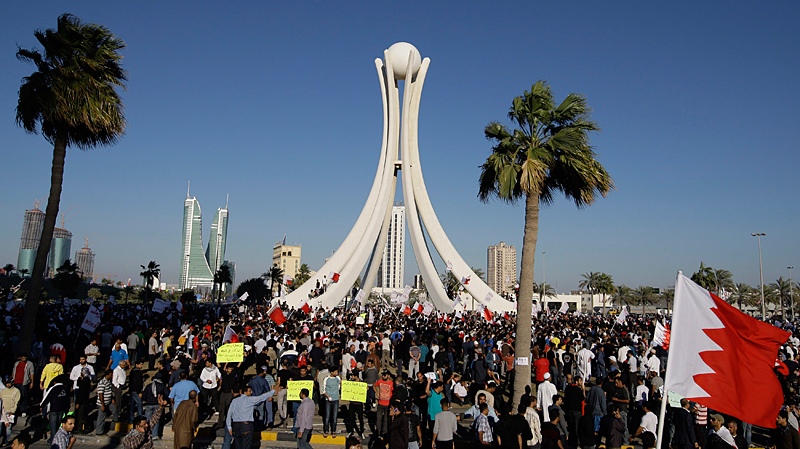
The Pearl Roundabout is gone. On Friday, March 18, Bahraini government forces exploded the structure that had been built in 1932 as a commemoration to the importance of pearl diving to Bahrain's pre-oil economy. The six twisted arms of the sculpture (meant to be dhow sails) that held the concrete Pearl in place symbolized the different emirates that together form the Gulf Cooperation Council. More recently, the site had become the focal point of ongoing anti-government protests and violence unleashed against these civilian protestors by both Bahraini and GCC security forces. Because of these protests, the site had experienced a re-signification of meaning for Bahrainis, the Arab world, and the international community. It became one more bone in a skeleton that joins Egypt's Tahrir square, Yemen's Sana`a University, and Libya's Benghazi. No longer a site that ties the history of the Bahraini monarchy to the history of that country's economic modernization and to the history (and successes) of the GCC, the Pearl Roundabout came to index histories of protest against the excesses of monarchical rule and the history of violence that calls for democratization will, and have been, met with. Today, the Pearl roundabout incites thoughts of uprising against oppressive regimes. It inspires people to revolution. That is why the Bahraini government, on Friday, March 18, laced it with explosives and imploded it, exposing its insides for the world and more importantly, Bahrainis, to see. It wanted to destroy this new meaning that the roundabout spoke, to silence the possibilities that the roundabout stood for. The Bahraini government and its Saudi conspirators have shown that they will destroy even the infrastructure of protest.
The Peal Roundabout is gone. But for now, the Bahraini uprising remains.
Photgraph of demonstrators gathered at Pearl Roundabout:


The Peal Roundabout is gone. But for now, the Bahraini uprising remains.
Photgraph of demonstrators gathered at Pearl Roundabout:

Mohammed Bamyeh : Is The 2011 Libyan Revolution An Exception
It is likely due to the complete disconnect between state and society that the Libyan uprising has thus far been the first of the current Arab revolutions in which an opposition government has been formed before the revolution has ended. This disconnect has been reflected in three developments during this uprising, the first two of which are traceable to extreme conditions of autocratic deafness. First, unlike the cases of Tunisia, Egypt, and Yemen, in Libya unrestrained state violence necessitated early on that government officials’ demonstrate their moral character by quitting their posts and joining the revolution. However, as a result, the revolution had no trusted partner within the government who, as was the case in the other Arab revolts, could be relied upon to lead a transitional period. At the same time, the defection of a large number of high-ranking state officials, including members of the diplomatic corps who had close contacts with global institutions (and also the most freedom to defect), supplied the otherwise spontaneous uprising with a body of politically experienced recruits who placed a high importance on the development of institutions to support the revolution. At the same time, the opposition’s success in liberating parts of Libyan territory created a pragmatic need for a government-like structure to run and manage these areas.
In such a way, the most institutionally-developed of the Arab revolutions emerged from a state with the least amount of institutional structures. The apparent Libyan exception is, thus, not only one of violence and bloodshed. This tremendous example of indigenous organizing, arising amidst spontaneous and fearless resistance to state violence, belies Western complaints about the alleged “absence of civil society” in Libya. As Western diplomats and commentators have struggled to identify the exact character of this movement, they have missed its most crucial and illuminating element: that it represents less a specific ideology and more the forceful rebirth of modern Libya’s long repressed civic traditions. As such, out of the most desperate of circumstances, the Libyan revolt of all the Arab revolutions thus far has made the greatest leap forward.
In such a way, the most institutionally-developed of the Arab revolutions emerged from a state with the least amount of institutional structures. The apparent Libyan exception is, thus, not only one of violence and bloodshed. This tremendous example of indigenous organizing, arising amidst spontaneous and fearless resistance to state violence, belies Western complaints about the alleged “absence of civil society” in Libya. As Western diplomats and commentators have struggled to identify the exact character of this movement, they have missed its most crucial and illuminating element: that it represents less a specific ideology and more the forceful rebirth of modern Libya’s long repressed civic traditions. As such, out of the most desperate of circumstances, the Libyan revolt of all the Arab revolutions thus far has made the greatest leap forward.
Subscribe to:
Posts (Atom)